Agile Development: Benefits and Flexibility
See how Agile helps teams ship better software, sooner.
A clear guide to agile values, frameworks, techniques, and project delivery.
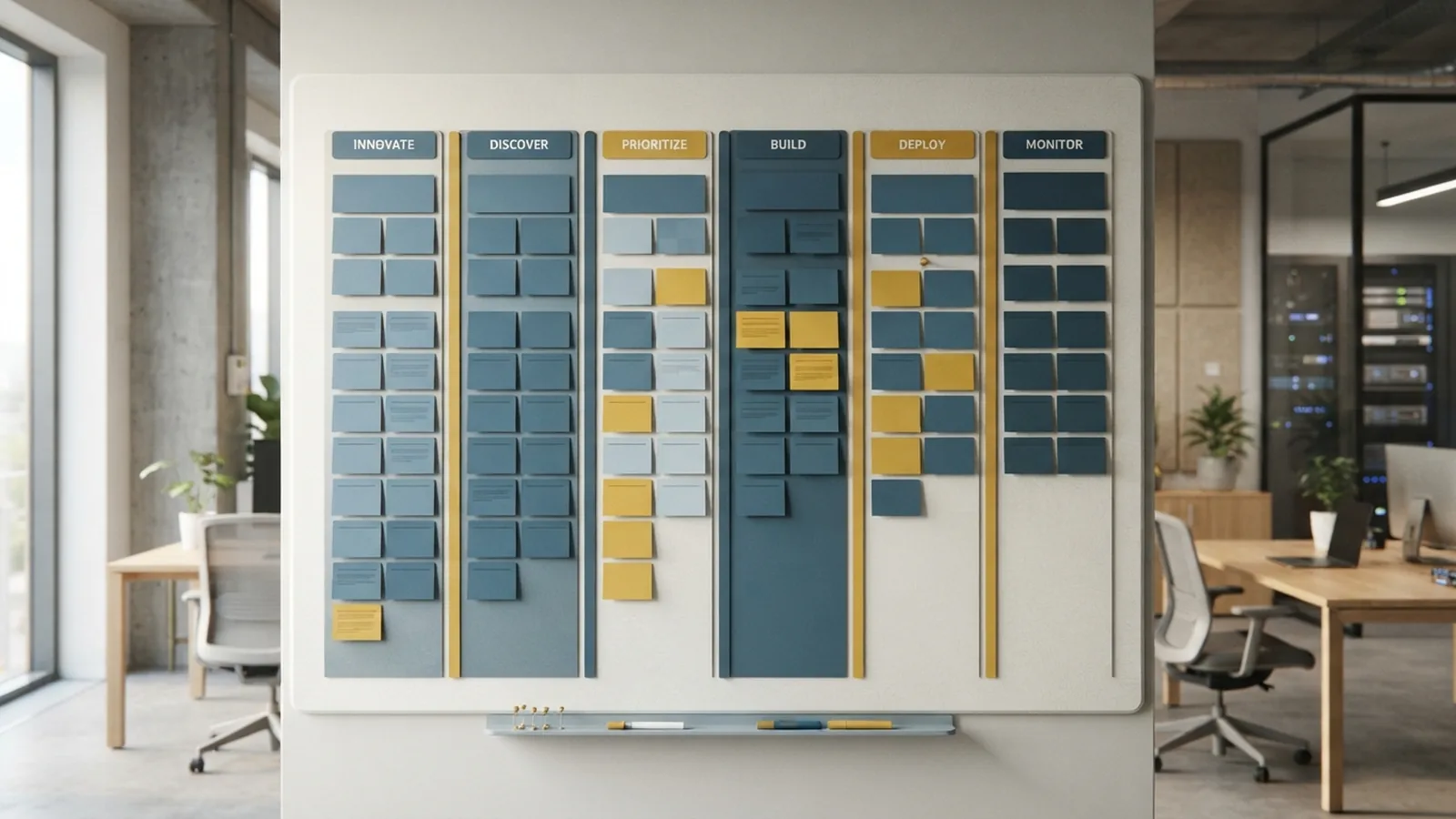
What is agile? It is a flexible way to manage work and build useful products. Teams deliver small pieces, seek feedback, and adjust their plans. This cycle is called iterative development.
What are agile projects? They are projects built through short work cycles and regular review. Teams set a clear goal, then plan only the next steps in detail. This keeps plans useful when needs change.
What is agile PM? It means agile project management. A team shares work, checks progress often, and delivers value in small batches. What is agile management in practice? It is goal-led planning with room for change.
What is agile computing? It means applying these ideas to software, cloud tools, and digital systems. What is agile meaning in this setting? It means moving with care when new facts appear. Speed matters, but learning matters more.
What is the Agile Manifesto? It is a guide for better software work. It places people, working products, customer ties, and change above rigid rules. The Agile Manifesto contains the original four values and twelve principles.
What are agile values beyond these four lines? They include trust, openness, focus, and respect. Teams need room to make sound choices. Leaders should set direction and remove blockers.
What is the first agile principle? It calls for customer satisfaction through early and steady delivery. This principle makes feedback part of the work. Teams learn from real use instead of guesses.
What are the 4 values and 12 principles of agile? Together, they support frequent delivery, close teamwork, technical quality, and steady pace. They also support simple design and regular reflection. The goal is useful work, not activity for its own sake.
Adaptive planning sits at the centre of this model. Teams keep a broad goal, while they refine near-term work. This balance gives direction without locking in weak assumptions.
What are agile frameworks? They are sets of roles, rules, and practices for organising work. Scrum, Kanban, Lean, and Extreme Programming are common choices. Each fits a different work pattern.
| Framework | Good fit | Key practice |
|---|---|---|
| Scrum | Product work with clear goals | Time-boxed sprints |
| Kanban | Support work and steady flow | Visual work limits |
| Lean | Work with waste or delay | Small batches |
| XP | Software with high code risk | Pair work and test-first coding |
What is agile vs Scrum? Agile is the wider set of values and ideas. Scrum is one framework that uses them. A team can work with agile principles without adopting Scrum.
What are agile sprints? They are short periods with a set goal. Sprints often last one to four weeks. The team reviews a usable result at the end.
What is XP in agile? Extreme Programming is a software method with strong coding habits. It uses pair work, automated tests, and frequent code sharing. These habits help teams spot faults early.
Kanban uses a flow rather than fixed sprints. A board may show ready, doing, review, and done. Work limits reduce task switching and expose delays.

What is an agile approach good for? It helps teams handle uncertain needs and fast feedback. Small releases lower the cost of a wrong guess. Customers see progress before the full product is done.
What are agile processes? They are repeatable steps for planning, building, checking, and learning. What is an agile workflow? It is the path from a ranked need to a tested result. The exact steps can vary by team.
What is agile planning? It is planning at several levels. Teams may set a product goal, a release aim, and a short cycle goal. They add detail only when the work gets close.
Cross-functional teams bring design, code, test, and product skills together. This cuts handoffs and speeds up decisions. Collaboration improves the chance of finding risks early.
What is agile used for? It suits software, product design, service change, and some marketing work. What is agile marketing? It is a test-and-learn way to plan campaigns. Teams run small trials, review results, and shift effort quickly.
Agile manufacturing also uses short runs and fast feedback. It is a related use of agile thinking. The tools differ, but the focus stays on flow, quality, and customer value.
What are agile techniques? They are practical ways to plan, build, test, and improve work. Teams should choose techniques that fit their product and risks. No single tool makes a team agile.
What is an agile user story? It is a short statement of a user need. A common form is: “As a shopper, I want saved baskets, so I can return later.” A story should start a useful team discussion.
How to write an agile user story? Name the user, need, and reason. Then add acceptance criteria. These are clear checks that show when the story works.
What are features in agile? A feature is a user-facing product ability. What is a feature in agile work? It is a larger need that may contain several stories. For example, saved baskets could include save, view, and remove stories.
What is refinement in agile? It is the review of upcoming work. Teams add detail, check risk, and split large items. What is grooming in agile? It is an older name for the same backlog practice.
What are agile story points? They are rough scores for comparing effort, risk, and unknowns. They do not equal hours. What is T-shirt sizing in agile? It uses labels such as small, medium, and large for early estimates.
What is agile testing? It means testing throughout the work cycle. What is agile testing in software testing? It is a shared practice where testers check each slice as it grows. This differs from waiting until the end.
What is a retrospective in agile? It is a team meeting about how work went. The team chooses one or two changes for the next cycle. What is a retro in agile? It is the short form of retrospective.
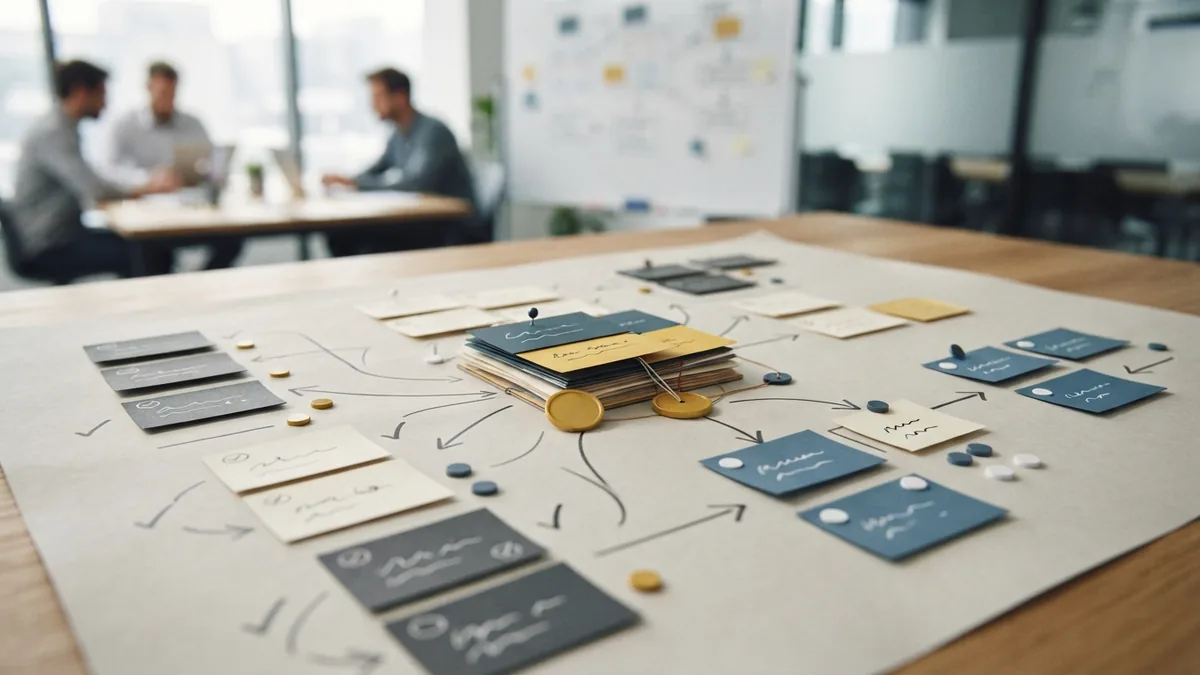
What is an agile board? It is a shared view of work and its current state. It may be a wall board or a digital board. The board should show flow, blockers, and work limits.
What is a burndown chart in agile? It shows remaining work across a work cycle. What is burndown in agile? It is the fall in planned work as tasks finish. A burndown can reveal late starts or a rising scope.
What is cycle time in agile? It is the time from starting work to finishing it. What is throughput in agile? It is the number of items finished in a set period. These measures help teams spot flow problems.
Use measures to learn, not to rank people. A high output count can hide poor quality. Review speed, defects, value, and customer feedback together.
What is an agile leader? It is a leader who sets direction and helps teams solve problems. What is agile coaching? It is support that helps teams build better habits. What do agile coaches do? They guide learning, improve teamwork, and help remove harmful work patterns.
An agile practitioner uses these methods in daily work. What is an agile ceremony? It is a planned team event, such as planning, review, or a daily check. These events should support decisions, not create empty meetings.
Agile does not remove hard choices. Teams still need clear goals, skilled staff, and sound technical work. Without these basics, short cycles can create rushed results.
What is agile transformation? It is a broad shift in how an organisation plans and delivers value. It is not a tool rollout. Lasting change needs leadership support, team trust, and room for practice.
What is an agile working environment? It is a setting where teams can share facts and act on them. What is an agile work environment? It has clear goals, quick feedback, and fewer needless handoffs. Remote teams need strong written updates and well-run calls.
What is agile and waterfall? Agile uses short cycles and changing plans. Waterfall uses set stages and a detailed plan made early. What is agile waterfall in practice? It often means a hybrid model, such as fixed governance with agile delivery.
Choose a method based on risk and work type. Avoid copying Scrum roles when Kanban fits better. Start with one team, test the new habits, and track useful outcomes.
What is agile in technology? It is a way to build, test, and run digital products through small changes. What is agile programming? It is code work shaped by feedback, tests, and frequent integration. What is agile engineering? It adds strong design and quality habits to that cycle.
What is agile SDLC? It is a software development life cycle built around repeated delivery. What is SDLC agile? It means planning, coding, testing, and release happen in short loops. DevOps can extend this flow into release and system care.
What is agile and DevOps together? Agile helps teams choose and build useful work. DevOps helps them ship and run that work well. Together, they can shorten the path from an idea to a safe release.
What is agile experience? It is the quality of work felt by customers and team members. Useful releases, clear feedback, and low friction shape that experience. The best agile teams improve both product value and team health.
Agile tools can support boards, tests, planning, and release work. Tools cannot replace trust or good judgement. The method works when teams learn, adapt, and deliver useful results.
Agile is a practical approach for work that may change. It combines short delivery cycles with customer feedback and team learning. Its values guide choices, while frameworks provide useful structure.
The best starting point is small. Pick one customer problem, define a clear outcome, and test a short cycle. Review the result, then improve the way the team works.
See how Agile helps teams ship better software, sooner.
Learn Agile principles, frameworks, testing methods, and key differences from Waterfall.
A clear guide to Agile principles, frameworks, benefits, and business use.