App Development: Plan, Build and Launch
Plan, price, and choose the right path for your next app.
Build repeatable AWS systems with familiar code and reusable cloud patterns.

Amazon cloud development means building apps and cloud systems on AWS. Teams use code to define compute, storage, networks, data, and access rules.
What is cloud development in practice? It is the work of planning, building, testing, and running cloud resources. AWS Cloud Development Kit, or AWS CDK, supports this work with familiar programming languages.
Developers can use TypeScript, Python, Java, C#, or JavaScript. They describe the needed system in code. AWS CDK then creates an AWS CloudFormation template.
This approach differs from hand-built cloud setups. A code file records the intended state. Teams can review that change before deployment. The AWS CDK developer guide explains this core flow.
Cloud development can shorten the path from an idea to a working service. Teams start with managed resources and tested patterns. They spend less time wiring basic parts together.
A cloud development environment also makes team work more consistent. Each developer can use the same project setup. Test and production accounts can follow the same design.
Infrastructure as Code means managing cloud resources through code. This method supports repeatable builds and clear reviews. It also helps teams spot risky changes before release.
That speed matters for small services and large systems. A cloud development platform can support queues, APIs, databases, containers, and storage. Each part can have its own tests and release path.
Begin with a local project and one small AWS service. Pick a language your team already knows. TypeScript, Python, and Java are common choices.
Install the AWS CDK command line tool and set up your AWS account. Then create an app with a stack. A stack groups related resources into one release unit.
Use the synth step as a review gate. It shows the template that AWS will use. Keep account settings outside core code when possible.
Use separate settings for development, staging, and production. This split helps block test changes from reaching the wrong account. Small checks can prevent costly mistakes.
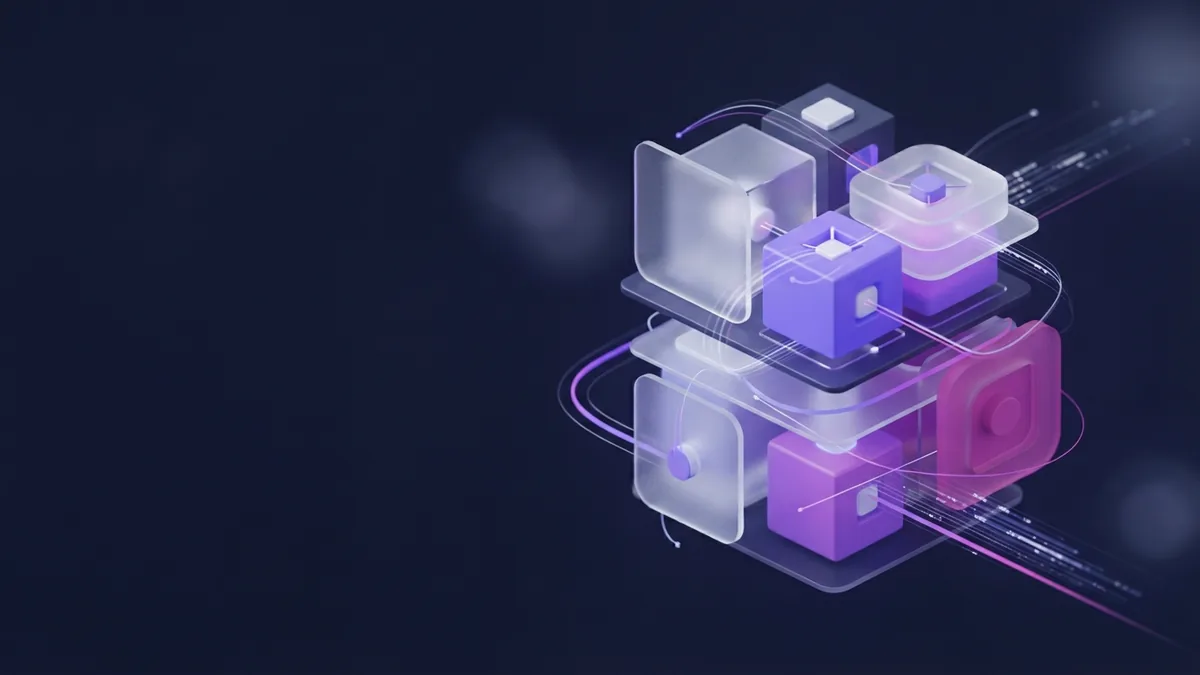
The cloud development kit uses constructs as reusable building blocks. A construct can define one resource or a full service pattern. Teams can share constructs across projects.
A shared construct might create a storage bucket, access rules, and logs. Developers then pass a few settings. They do not rebuild each part by hand.
CDK has three main construct levels. Low-level constructs map closely to CloudFormation resources. Higher-level constructs add useful defaults and connect related services.
Patterns combine several services for common application needs. This design helps teams build cloud applications development services with less repeated setup.
| Feature | How it helps |
|---|---|
| Constructs | Reuse tested infrastructure across many systems |
| CloudFormation output | Apply changes through a known AWS service |
| Programming languages | Use existing team skills |
| Testing support | Check resources before deployment |
| Pipeline support | Run builds and releases with CI/CD |
Testing is another strong feature. Teams can check resource types, names, permissions, and network rules. They can also test stacks without changing a live account.
Web teams often use AWS CDK for APIs and customer-facing apps. A stack may include a network, load balancer, containers, and database. One code base can create the same setup across accounts.
Cloud database development also benefits from this model. Teams can define tables, backups, access rules, and alerts together. This keeps data needs close to application code.
Cloud storage for developers can include object stores, file systems, and backup stores. CDK can define their settings and access rules. It can also create logs for later checks.
Data teams can define event queues and scheduled jobs in one stack. Platform teams can build shared network and access patterns. Product teams can then use those patterns without starting from zero.
Java cloud development fits well when a team already builds Java services. A Java cloud developer can define AWS resources beside service code. An Amazon cloud developer may then review, test, and release both parts together.
These examples also support cloud infrastructure development services. A cloud development company can use shared constructs for many clients. Each client can still keep separate accounts and settings.
Start developing a cloud strategy before adding many services. Set clear rules for accounts, regions, naming, access, costs, and logs. Keep the first version small enough to test.
Choose cloud development tools that fit your team. AWS CDK may suit teams that prefer general-purpose languages. Other tools may fit teams with different skills or needs.
Keep stacks focused on clear ownership. A small stack is easier to test and change. It also gives teams a simpler rollback path.
Use least privilege for access rules. Give each service only the rights it needs. Store secrets in a managed secret store instead of source files.
Run checks in every pull request. Test the generated template and scan for risky settings. The AWS Well-Architected Framework offers a trusted set of design questions.

What is cloud SaaS? SaaS means software as a service. Users access the product online while the provider runs its cloud systems.
A cloud SaaS product may use shared services, separate customer data, or both. CDK can define the networks, databases, queues, and access rules behind that product.
What is cloud DevOps? It is a way to join software work with cloud operations. Teams build, test, release, watch, and improve services as one flow.
Some teams call this a cloud development model. The name matters less than the working habits. Small changes, automated tests, and fast feedback reduce release risk.
Cloud solutions development also includes cost and growth planning. A system should scale when demand rises. It should also shrink waste when demand falls.
Cloud development services will keep moving toward reusable building blocks. Teams want safe defaults that work across many projects. They also want clear controls for cost, access, and data.
Cloud infrastructure development will become more linked to testing and release pipelines. A change will pass checks before it reaches a live account. This creates a safer path from code to service.
Managed databases, event tools, and serverless services will support more small teams. Developers can focus on customer needs instead of basic server upkeep. Good design still matters.
The best results come from a balanced approach. Use familiar code, shared constructs, strong tests, and simple ownership rules. AWS CDK can make that approach repeatable from the first stack onward.
Plan, price, and choose the right path for your next app.
Learn Agile principles, frameworks, testing methods, and key differences from Waterfall.
See how SaaS companies work, earn revenue, manage costs, and grow.